SimsPE in Sims 2: A Comprehensive Guide
If you’re a huge Sims 2 fan, then the idea of changing some basic features like your Sims’ name, skin tone, or object color might intrigue you. That’s what SimsPE or Sims Pe exist for; some even call it ‘Simspe Sims 2’. It’s only compatible with the Sims 2 edition game and is a powerful and old tool that lets you edit many hidden settings.

It’s one of the most beloved tools in the Sims community to give players a sense of autonomy and control. In this article, we will discover how to use SimPE, where you can download SimPE, some tips about SimPE on Mac, SimPE tutorial, and workarounds with SimPE Options dialog. You’ll also get to discover many alternative tools that offer the same kind of experience. So let’s take a look below.
SimsPE aka Simple Package Editor
The Simple Package Editor is a community-made tool that helps you edit The Sims 2 files. It is one of the best tools to modify many hidden features, including object properties, custom content files, and character traits. It gets its name ‘sims pe’, not just because it’s a spelling variation, but because it’s officially a package editor whose primary purpose is to help you edit base game 2 content.
This tool comes with many features, including a “Plugin View” that has many modules in it, like object workshop, resource tree, etc. It lets you dig into neighbourhoods, .packages, and much more. Since it hasn’t been updated in years, there might be some compatibility issues that you should watch out for. But still, it’s a pretty good tool for making it work with the Sims 2 version of the game and works fine for many players.
Installation & Download Guide: How to use SimPE?
- Install and open SimPE from the relevant websites.
- After opening, go to File and then Preferences, also known as the Options Dialog.
- To do this, set up the parts by locating where your game is installed, where the expansion packs are stored, and where your download folder is.
- Use the Neighbourhood browser to load a neighbourhood.
- Resource tree is available in the left panel where you can choose whatever you want to edit, like family information.
- In the middle of it, you can browse entries like the Sims’ family, etc.
- Use the Plugin View located at the bottom panel to edit feelings, see relationships, name, DNA, etc.
- After making the changes, click commit and then save.
- Close SimsPE and restart your game to see the changes.
If you’re a newbie then you should keep in mind that everything takes a bit of time to load, so if you are hasty, things won’t show up. Also, remember that this is not a mod and should be put in the downloads folder instead of the mods folder.
SimPE Download Tips for “SimPE Latest Version
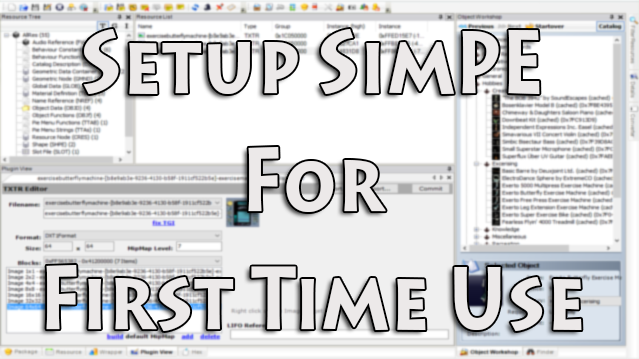
- Download SimPE from relevant websites, which usually go under the name “SimPE: The Simple DBPF‑Package Editor.”
- You will find many zip files or 7z archives and even set-up executables.
- The most recent version that you can find is SimPE’s latest version 0.75f.
SimPE on Mac (SimPE Mac)
Even though SimPE is built for Windows, it sadly doesn’t have native support for Mac versions. However, you can make it work through third-party apps.
- Running Boot Camp or Windows on Intel-based Macs and then emulating like you do in Windows.
- Using virtual machine software like Parallels or VirtualBox for both Intel-based and silicon chip Macs.
- Ensure compatibility layers are used or it doesn’t become unstable through softwares like Wine. It’s important to know that Wine has lost developer support, so it might not work seamlessly as before but still is sometimes usable.
- Look for community or web-based tools to mimic SimsPe’s functionality, as they are usually platform-independent.
Because the SimsPE lacks native support, Mac users may find it harder and frustrating to enjoy these features. Sometimes emulating can lead to lag as well and can be quite expensive. Free software like Wine appears to have lost the support from its developers, which may impact the inexpensive and enjoyable experience. So if you’re ready to invest a little bit and compromise, then you will be able to use this tool.
SimPE Options Dialog / Preferences
The SimPE Options dialog (or Preferences) is an important aspect to make the tool work seamlessly.
- In this, you specify system folders where your Sims 2 game is installed, including expansion packs.
- It also informs you about the status of your custom content, packages, and downloads.
- You get to set the path to DDS Utilities, which are very important for texture editing.
- You can toggle settings, including custom content enabler or CEP with the inclusion of original files.
- Often, plug-in options or debugging are sometimes hidden behind the so-called “Advanced mode.” Ensure that you have it enabled to see debug features.
- If your paths aren’t set properly, then SimsPE won’t be able to load Neighbourhood or show any content. This can lead to many errors resulting from misconfigured options.
Other Tools / Alternatives by Creators
Since SimPE is an old and Windows-only version, community creators have put their hard work across free platforms and have offered great alternatives. Here are some of them:
- SimpAI – Bass-Dandy is the creator of this web-based interface for manipulating .package files. It helps spring functionality back to the browser.
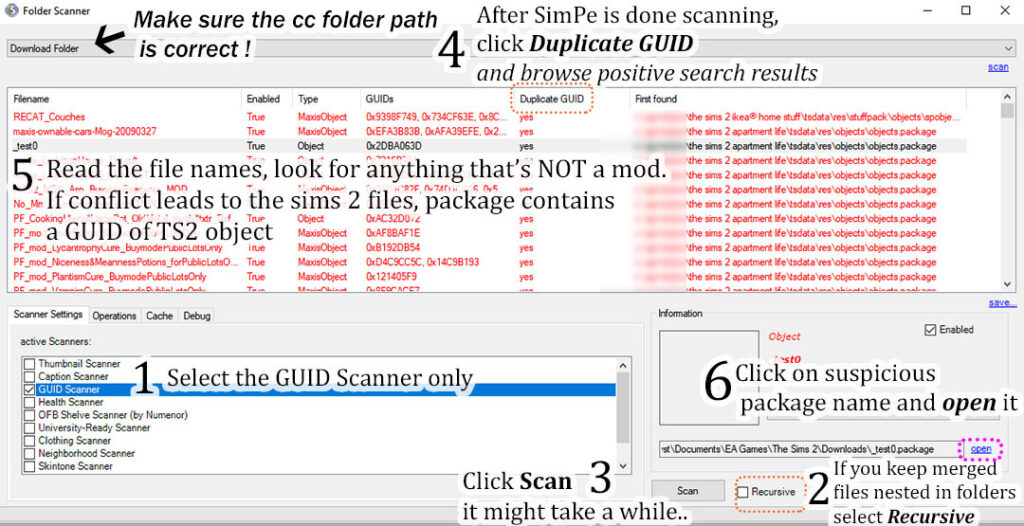
- Special utilities, such as the ScanFolder plugin, are often recommended to help maintain and repair .package files within the modding community.
Some newer or constantly updated CC tools can also handle specific tasks, including recolors, texture editing, and much more. But it’s important to note they offer half of SimPE and have greatly reduced functionality but are good for casual editing.
Tips to Keep in Mind
- Keep a backup of your neighborhood files before editing, since mistakes can corrupt your game.
- Ensure that you’re using the latest community version like 0.75f rather than going for 2009, since the former one offers better compatibility with Sims 2.
- Ensure that you’re not running the game and SimPE at the same time.
- If the tool crashes or doesn’t open, then you might have to correct the .NET framework.
- Ensure that you’re not putting SimPE in cloud-synced folders like OneDrive since it can corrupt the file or make it unable to launch.
- Since now we have the latest edition of the game called Sims 4, some features don’t work flawlessly because developers have abandoned them. So don’t be disheartened if they don’t work according to the claims they make. Since earlier developers are now more focused on much newer updates of the latest version of the game.
Final thoughts
Going beyond the base game offers seems like a dream for many hard-core simmers. Editing tools like SimPE / Sims PE / SimPE Sims 2 are the go-to tools that have remained classics for editing in Sims 4. While they might have lost developer support and are quite old with some not having compatibility with Macs, there’s still an honorable way of personalizing your game on a much deeper level.
By knowing how to use SimPE’s latest version by following the basic SimPE tutorial listed above, you can master this powerful tool and have fun editing. If the tool feels too chunky, then you can try alternatives that have been stated above by some great creators who are highly respected among the Sims community. So, go ahead and explore, but always keep a close eye on your backups. Even though the tool might look intimidating at first, the fun it will give you will surely make it adventurous and addictive!
Frequently Asked Questions (FAQs)
What is SimPE?
SimPE is a powerful open-source editing tool for the Sims 2 game that can help you modify various aspects of the game. This includes your Sim’s memories, parents, skills, and even the creation of custom objects. By manipulating internal package files, you can extend the lifespan and the gaming experience of these files.
Is Sim PE safe?
It’s a pretty safe option as long as you have installed HoodChecker and have a backup of your files. This ensures that you don’t mess up any of the files or lose your progress.
Who created SimPE?
SimPE, also known as Simple DBPF-Package Editor, is an open-source tool originally created by Ambertation and Peter L. Jones in 2005.